Admissify Logo
GERMANY banner

Your Gateway to Excellence

Study in GERMANY
GERMANY flag

Discover world-class education opportunities and transform your future

Country Code: GER
Currency: EUR ()

Key Facts & Highlights

Essential information about GERMANY

World-Ranked Universities

50+ Globally Recognized

Course Duration

UG: 3-4 yrs | PG: 2 yrs

Tuition Fees

Mostly free (public) – €200–500 / Sem admin fees

Work Rights

20 hrs/week during studies

Post-Study Work

18 months -2 yrs

Intakes

March & September

Today, Germany is one of the preferred study abroad destinations for Indian students and others from across the globe. In fact, it is one of the superpowers, ready to take on the world. So, let us unearth the reasons why study in Germany is worth it. 

  • First and foremost, one of the biggest advantages of studying in Germany is zero tuition fees. Amazingly, less than 10% of Germany’s universities are private. 

  • The Student Visa for Germany has lots of advantages. You do not have to pay anything for it, and the initial one is valid for 3 months. You must extend it to a residence permit to stay up to 2 years.

  • After one receives the residence permit, it is possible to travel to all Schengen countries. 

  • Rent is often one of the biggest expenses for studying abroad, but in Germany, you can share the space with others to reduce the cost. 

  • You will be able to choose from over 1,000 courses in Germany. The levels include bachelor’s, master’s, doctorate, language courses, online courses, preparatory courses, and so on. 

  • The country’s universities always rank in the top 20 in Europe and top 100 globally. 

  • Although learning German can be a boon later, you can also lay your hands on English-taught courses. 

  • The unique culture will give students from across the globe a different exposure through festivals and special events. 

So, these are reasons enough to choose Germany for education. 


Under the education system in Germany, there are four levels: early education, primary education, secondary education, and tertiary education. 

Let us understand the same down here. 

Level of Education

Description

Early Education

For ages 3-6 years, focus on socialisation, cognitive development, and language skills

Primary Education

For ages 6-10 years, focus on building an academic base, encouraging critical thinking, and developing social and emotional skills

Secondary Education

There are three pathways – Hauptschule, Realschule, and  Gymnasium, which focus on trade skills, emphasise different subject knowledge and languages

Tertiary Education

Universities, colleges and technical institutes come under this category

So, now you have a fair idea of the education system in Germany. To know in more detail, you can connect with a study abroad consultant. 


Germany happens to be one of the most affordable places for international students. With most universities offering courses with zero tuition fees, you can make a living there as a student at minimal cost. However, you must choose the university and city of residence carefully, keeping transportation costs in mind. So, here are the top cities for international students in Germany. 

  • Munich

  • Berlin

  • Aachen

  • Frankfurt

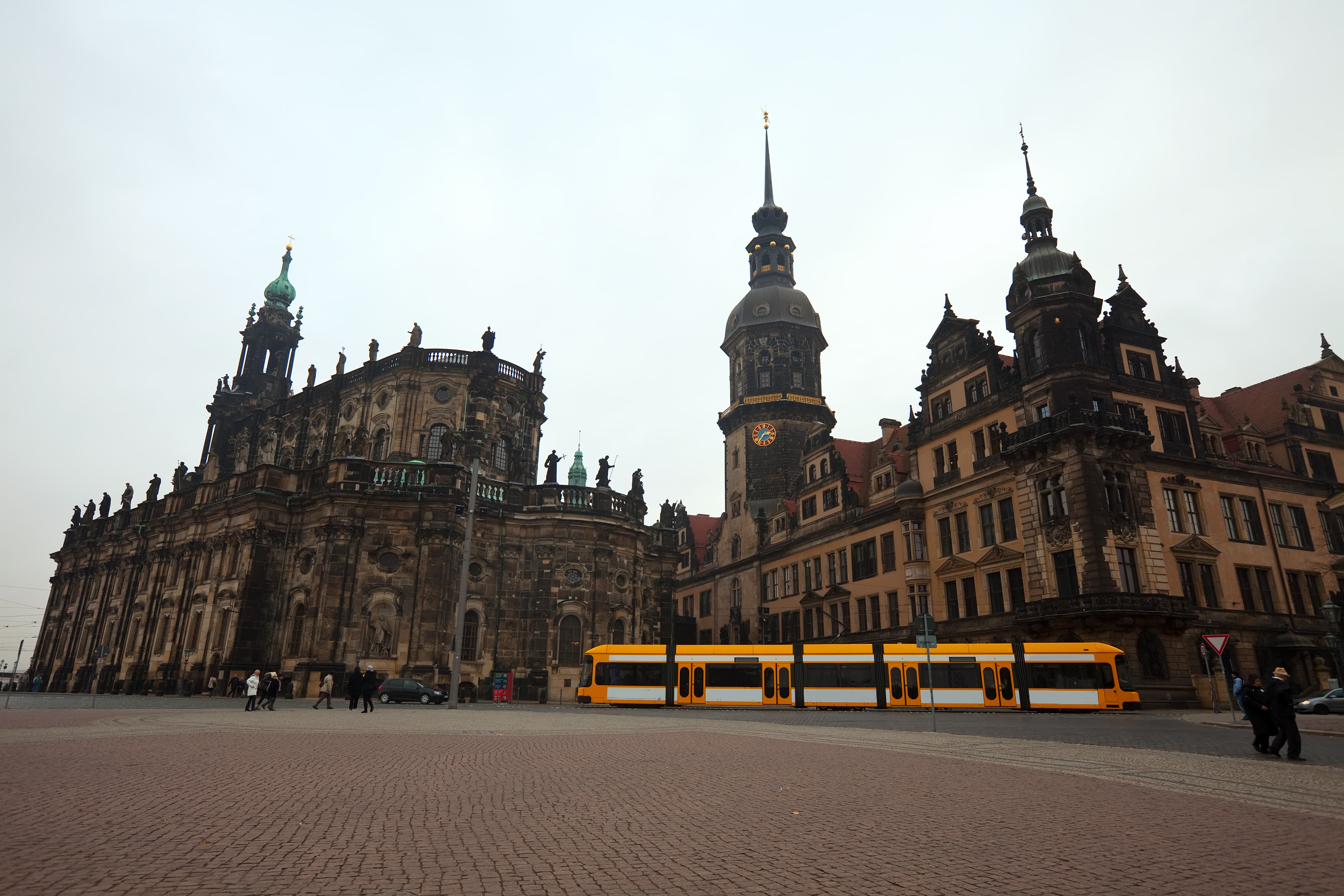
  • Dresden 

  • Leipzig 

  • Stuttgart

  • Hamburg

  • Freiburg

  • Cologne 

The cheapest cities among the above are Aachen, Leipzig, and Dresden. If you want real-time information about the best places to stay in Germany for students, get in touch with a student community. 


Before you head to study in Germany, it is important to shortlist a few universities based on your course choice. 

Let us find out the top universities and colleges, offering the most in–demand courses and specialisations. 

Top Universities

Courses Offered

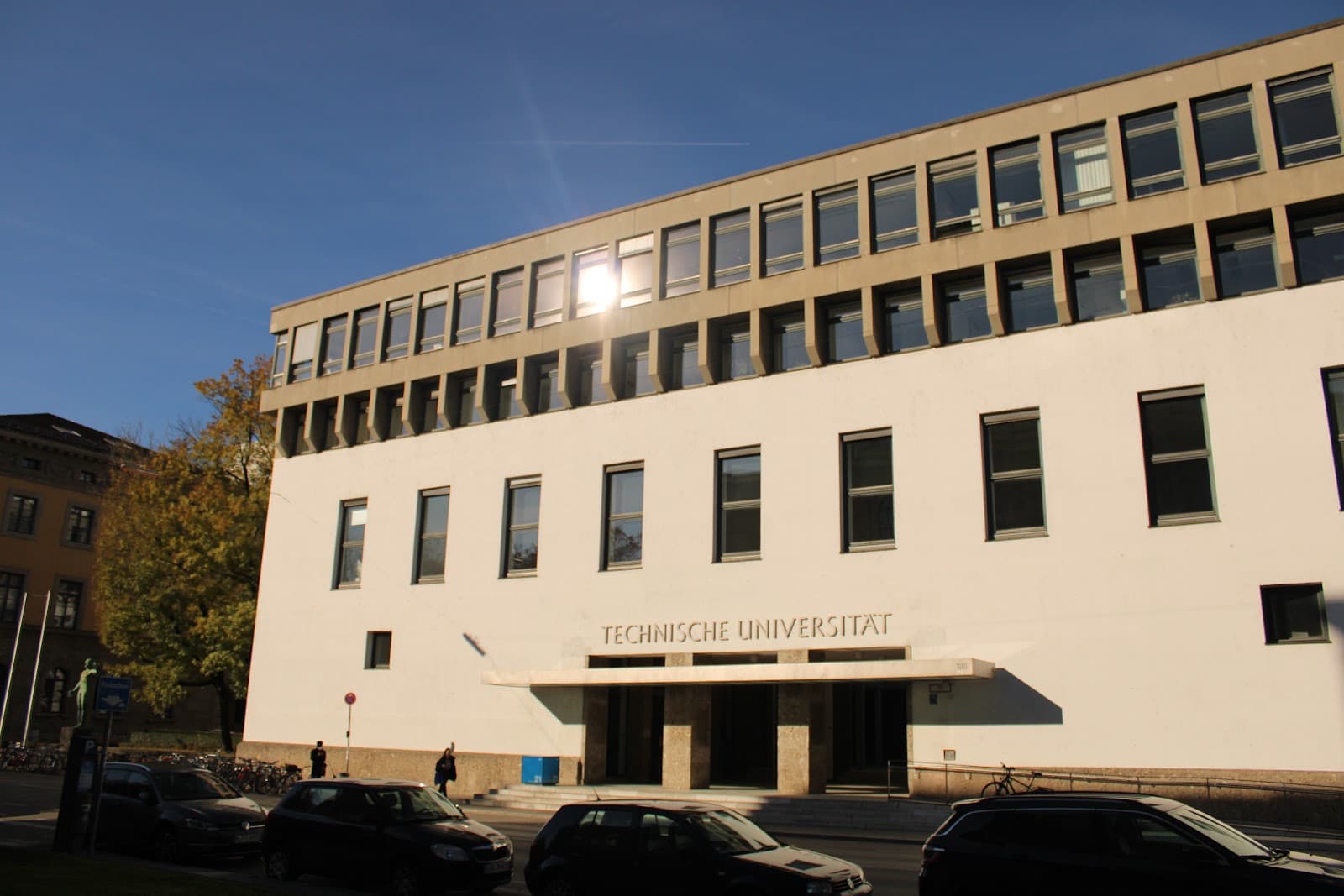
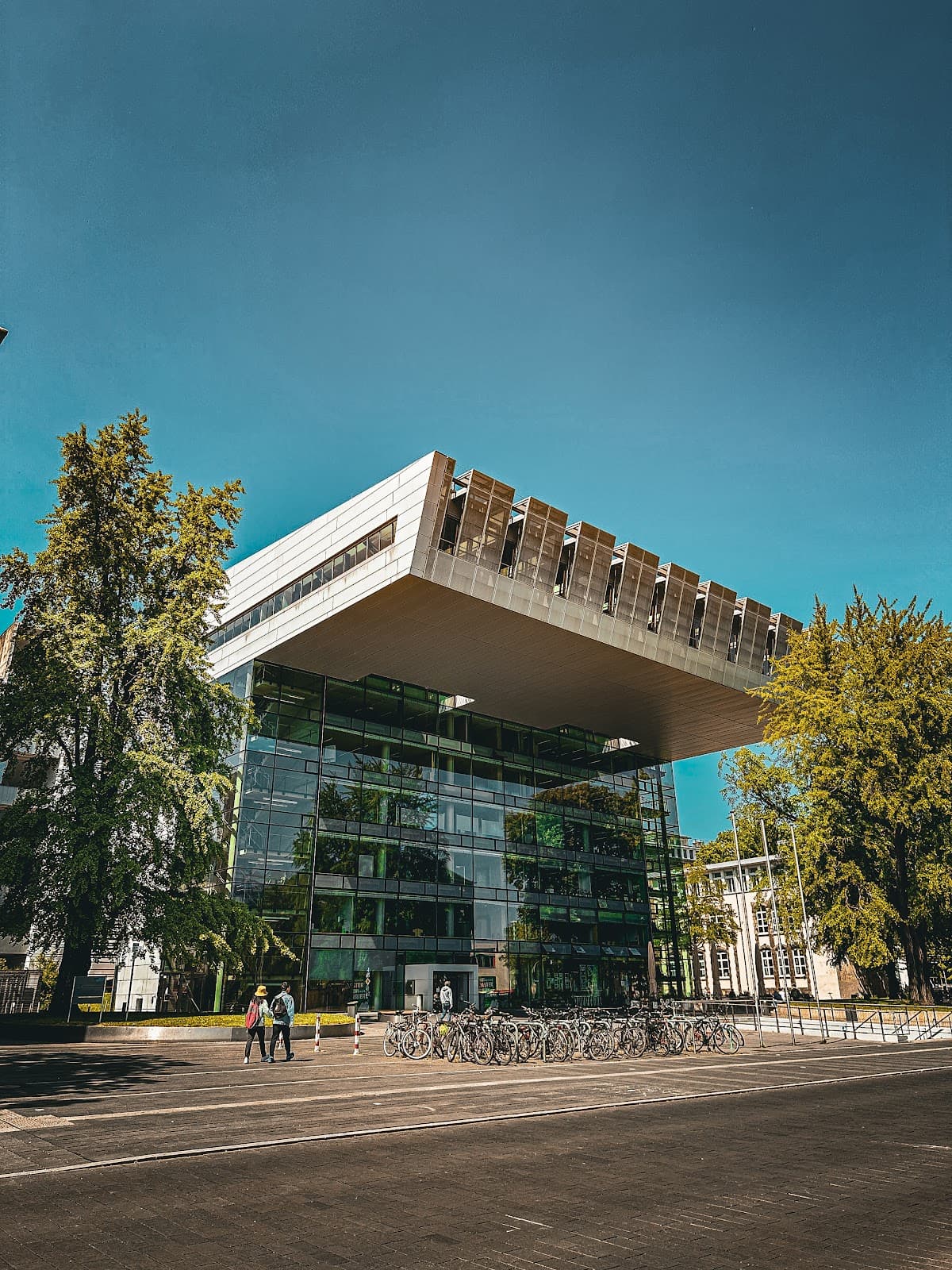
TUM, RWTH Aachen, KIT, TU Berlin, TU Dresden

Engineering & Technology

TUM, TU Darmstadt, RWTH Aachen, LMU Munich

Computer Science and IT

Mannheim, WHU, Frankfurt School, ESMT, TUM

Business Management

Heidelberg, LMU, Max Planck Institutes, Göttingen

Natural Life Sciences

RWTH, TUM, TU Berlin, Freiburg

Environmental & Renewable Energy

Humboldt, Heidelberg, Mannheim

Law, Public Policy & Economics

If you want more information on the universities and related courses, then you can connect with Admissify

The application process to study in Germany depends on your chosen stream and the university. There are a number of aspects that you must keep note of. They are:

  • Application Deadline

German universities have very tight deadlines. For the winter semester, deadlines range from May to mid-July. For the summer semester, it is between December to mid-January. However, these may vary from time to time. You have to be proactive and keep these in mind. 

  • Documentation 

You also need to keep a tab on the documentation while applying to German universities. The most commonly asked documents include academic transcripts, pa assport copy, language proficiency score cards, SOPs, LORs, and an updated resume. 

  • Financial Proof 

International students have to produce bank statements for verification to prove that they have the necessary finances to support their stay in Germany. A blocked account may be one of the requirements here. So, check with a study abroad consultant for the right information. 

  • Application Process

You can apply through the Uni-assist centralised application system. It is responsible for verifying the profiles of international students for German colleges and universities. However, some universities prefer to manage their applications on their own. So, get the right information and enrol in a course of your choice. After you are enrolled, you can start with a visa application. 

For more up-to-date information, you must consult a renowned and experienced consultant, like Admissify. 

To study in Germany, you not only need merit, but finances as well. Although many of the public universities offer courses at zero tuition fee, there are living costs to handle. The government of Germany, private organisations, and some of the top universities have scholarships for international students. Let us find out about them. 

Scholarship Name

Coverage 

DAAD Scholarships

Monthly stipend of 992 Euros and annual study allowance of 460 Euros for graduates, plus 1,400 Euros for doctoral candidates and travel and health insurance.

Erasmus+ Program

Full scholarship including living, visa and travel costs

Einstein International Postdoctoral Fellowship

Coverage of 20,000 Euros per year

Mawista Scholarship

Varies 

RWTH Aachen University – Doctoral 

1,356 Euros per month 

University of Hamburg

Up to 992 Euros per month.


Cost of Studying in Germany

Although studying in Germany is more cost-effective than studying elsewhere in Europe, recent changes have made it expensive. Students must maintain at least 11,904 Euros in a blocked account. Let us find out the tuition fees here. 

University

Degree Level

Annual Fee

Public

Bachelor’s/Master’s

300 – 800 Euros

Public (Baden-Württemberg)

Int. Bachelor/Master

3,000 Euros

Private

Bachelor’s

10,000 – 15000 Euros

Private - MBA

MBA

20,000 - 40,000 Euros

Although public universities are tuition cost-free, you need to pay semester fees. Let us look at the cost related to semester fees at the top universities. 

University Name

Semester Fee

Technical University of Munich

4,000- 12,000 Euros, depending on level, per year

Ludwig Maximilian University

170 Euros per year

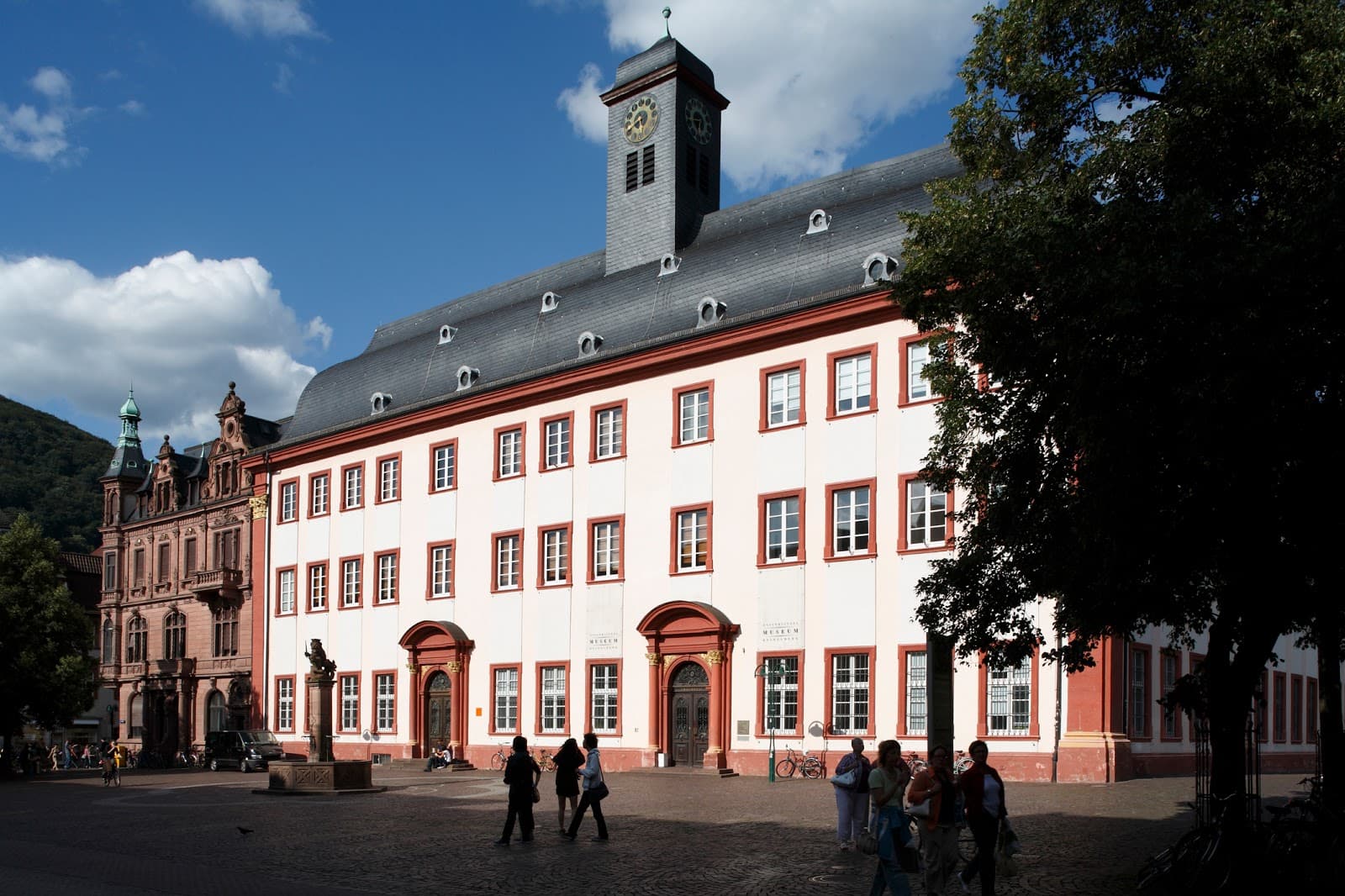
Heidelberg University

3,000 Euros per year, depending on level + 342 Euros per year

Free University of Berlin

718 Euros per year

Additionally, there are some costs like:

  • APS Certificate – 172 Euros

  • Tests (IELTS/GRE) – 160-200 Euros 

  • Application Fees – 45-130 Euros

  • Visa Fee – 75 Euros

  • Travel Insurance – 25-50 Euros

  • One-way Flight – 330-570 Euros 

Keep all this in mind while planning to study in Germany. 


Cost of Living In Germany

The cost of living is also a substantial amount that you must keep handy. Here is what you must know. 

Cost Head

Approx. Amount

Rent and Utilities

350-700 Euros

Food and Groceries

150-250 Euros

Internet & Mobile

30-50 Euros 

Health Insurance

110-130 Euros

Total 

690-1,200 Euros


As international students, you must choose a safe accommodation. Here are a few options, with costs. Make sure to rent a place after talking to seniors. They can give you correct information about the areas and transportation available. 

For now, here is the option and cost. 

Type Of Accommodation

Cost

Student residences

250 Euros per month

Shared Flats 

430 Euros per month 

Private Flat 1BHK

750 -1,300 Euros per month

3BHK 

1,200-2000 Euros per month 

Choose an accommodation after carefully considering the safety aspect and political undercurrents, if any. 

Germany provides excellent visa support and post-study work opportunities, making it a top choice for international students seeking global career growth.

Aspect Details
Student Visa Apply after receiving your German university admission letter. Proof of funds (blocked account) and health insurance are required.
Work While Studying International students can work 120 full days or 240 half days per year.
Post-Study Work Visa Graduates can stay up to 18 months in Germany to search for a job related to their field.
Long-Term Opportunities After securing a qualified job, you can apply for an EU Blue Card or residence permit.
Permanent Residency Possible after a few years of working and meeting eligibility criteria.

Still have questions?

Our counselors are here to help

Top Universities

Explore world-class institutions

Technical University of Munich
Ranking
29
Type
Public
Courses
62
Scholarships
63
Know More
Ludwig-Maximilians-University (LMU) Munich
Ranking
44
Type
Public
Courses
38
Scholarships
54
Know More
Heidelberg University

Heidelberg University

Heidelberg, Germany

Ranking
57
Type
Public
Courses
45
Scholarships
54
Know More
University of Bonn

University of Bonn

Bonn, Germany

Ranking
113
Type
Public
Courses
28
Scholarships
54
Know More
RWTH Aachen University

RWTH Aachen University

Aachen, Germany

Ranking
118
Type
Public
Courses
27
Scholarships
55
Know More
University of Freiburg

University of Freiburg

Freiburg, Germany

Ranking
137
Type
Public
Courses
31
Scholarships
54
Know More

Latest Blogs on Study in GERMANY

Stay updated with the latest news and guides about studying in GERMANY

View all blogs
Post Study Work Visa in Germany 2026: Duration and Rules
March 30, 2026

Post Study Work Visa in Germany 2026: Duration and Rules

Germany is known for its zero-tuition fee educational opportunities. Moreover, the country is known for its commitment to innovation, research, and work opportunities for international students. Its economy is also very strong, making studying in Germany for Indian students a top choice.  But, one of the top queries remains regarding the post-study work visa. How many months or years can students stay and work in Germany? In this blog, we will highlight how you can stay in Germany after completing your studies. We will also unearth how one can secure an EU Blue Card thereafter. So, let us get started.  What is Post Study Work Visa in Germany? The post study work visa in Germany allows international students to stay and work in Germany for up to 18 months after completing their degree from a recognised German university. It helps graduates find jobs, gain experience, and transition to long-term visas like the EU Blue Card. Post Study Work Visa Germany for Indian students- At A Glance Now, let us further read about the features of the Germany post study work visa in more detail.   Quick Summary Who Can Apply For The Post-Study Work Visa In Germany, and What Is The Criteria? International graduates after completing programs at German universities. The eligibility criteria differ on the basis of whether you are from a Non – EU country or an EU/ EEA country. Let us find out about the same underneath, pertaining to Non-EU students.  Most Non-EU students enter Germany for education on a German student visa. So, the application for the post-study work permit in Germany is a straightforward process. You need to meet the following conditions.  A Non-EU candidate gets 18 months’ time to stay and work in Germany.  Recognised Qualifications From A German University  The post study work permit Germany allows international graduates to stay and work in Germany. However, one needs to meet certain qualification requirements.  One must have secured a bachelor’s degree at least. Those courses or programmes that do not result in a German-accredited degree are not considered. If you are seeking more insights on the eligibility criteria and qualifications, get in touch with a study abroad consultant in Guwahati.  When And How To Apply For The Post Study Work Visa In Germany? According to the education system in Germany, you must keep track of the deadlines for applications and other timelines.  Step–by–Step Process Those looking forward to applying for the post-study work visa in Germany must adhere to the steps mentioned below.  Once it is approved, you get a German post study work visa for 18 months. Admissify can help you with more details regarding the post-study work permit.  Germany PSW visa duration and Fees Visa Fees: The fees differ from nationality to nationality. So, we have listed the general fees underneath.  Processing Time: What Does The Post Study Work Visa In Germany Allow? The Germany post study work permit allows international students to stay and work in Germany for 18 months. We have listed what you can do with it.  Admissify can help you navigate the above process with ease. So, it is better to work with them.  Conclusion  Thus, you have very well understood what the prerequisites for the post study work visa in Germany are. It is one of the most lucrative opportunities that international students can avail themselves of. However, the competition is high, with so many students applying at the same time. Moreover, you need to keep track of the deadlines and timelines. Admissify is the top-notch consultant in the sector, who can help you get the entire process right.   FAQs

Read Article
Study Electronics Technician in Germany 2026
February 28, 2026

Study Electronics Technician in Germany 2026

Germany is renowned for its innovative atmosphere, engineering excellence, and futuristic tech development goals. That makes it a much-coveted destination for study abroad aspirants from across the globe. Studying electronics technician in Germany is receiving a lot of recognition today, across all quarters. And that brings you here.  In this blog, we will explore the program for international students that combines practical and theoretical. You will be able to explore training details, fees, eligibility, salary, and job prospects for international students.  So, let us get started.  Why Should You Choose Electronics Technician in Germany? There are quite a few reasons to choose an electronics technician in Germany. Germany, being at the forefront of technology and innovation, makes it the ideal destination for electronics aspirants. Also called the Ausbildung program, it is designed to impart practical training for entry into the rapidly evolving electronics field. You will be able to work in the electronics field, the industrial systems field, and automation.  Benefits Decoded: If you want more clarity on this, you must connect with a study abroad consultant.  What Stipend Do Electronics Technician In Germany Trainees Receive? The Ausbildung program offers a competitive advantage with respect to other courses at university level. The stipend is based on a structure which changes on the basis of the training year. Let us get down to the details.  This financial advantage sets the Electronics Technician In Germany apart from all others. You can connect with a study abroad consultant, to help you with more details.  What Will You Learn In The Electronics Technician in Germany? The Ausbildung program structure is of 3.5 years duration. Your time will be divided between attending classes at the institute and working at a firm. You will learn about the theoretical aspects revolving around electronics, circuit theory, and system analysis. At the firm, where you will work, you are supposed to apply the learnings and knowledge you absorb in class. To study in Germany for Indian students, one needs to know about the program concerned. This will also lead to massive opportunities.  Let us summarise the learnings from the course: This makes it one of the most coveted courses in Germany. It is as comprehensive as any university course, and also packs in internships. You can get in touch with a study abroad consultant to know more about the topics covered.  Requirements For Ausbildung For International Students  You will be able to navigate the entire application process in a fuss-free manner if you work closely with a study abroad consultant, like Admissify.  How To Apply For The Ausbildung In Germany? What Career Opportunities Can Trainees Explore After Completion Of The Program? After completion of the electronics technician program in Germany, students can find a diverse range of opportunities. Some of the sectors, where you can find work, are: Germany places a strong emphasis on technology and engineering, which ensures that international and local students land a job upon leaving the vocational institute.  You will benefit in several ways after completing the course.  Conclusion When you start a career as an electronics technician in Germany, you are making a great choice. There are excellent work prospects connected to this position, with competitive salaries, growth, and an elaborate career path. Start your journey with Admissify, who have the right exposure to this field in Germany. We will also help you with visa processing. After you complete the training, we can assist you in getting a job with a leading firm as well.  FAQs

Read Article
Study IT Specialist In Germany 2026
February 27, 2026

Study IT Specialist In Germany 2026

The good news is you can work in Germany without a degree in IT. If you have worked in the IT sector in your home country and have at least 2 years of work experience, you are an IT specialist. International professionals in the IT sector can now travel to Germany as IT specialists. Get your professional certification and study to become an IT Specialist in Germany.  Germany is offering excellent career opportunities in IT for professionals. In this blog, we aim to highlight the career opportunities, institutions, courses, specialisations, and the admission process with fees.  So, let us get started.  Top Reasons To Study To Become An IT Specialist In Germany  For more clarity on this, you can connect with a study abroad consultant.  What is IT Specialist Germany?  IT specialist in Germany, also called an IT Specialist Ausbildung, combines vocational training with theory and practical exposure. You will be able to work with the top IT firms in Germany after you complete this vocational training.  In a nutshell, there are two parts to it.  What Will You Learn In IT Specialist In Germany? Those students who are interested in studying abroad Germany, and that too a subject like IT and computers, must know what the course covers. So, here is a snapshot, just for you.  You will learn about the nitty-gritty of the above topics, in complete detail. This knowledge will help you to enter the dynamic workforce in Germany.  Eligibility Criteria For IT Specialist In Germany All students must meet the requirements for an IT Specialist in Germany. Here is a sneak peek of the same.  One has to check for specific requirements pertaining to the universities in Germany offering the program.  How To Apply For An IT Specialist In Germany? It is important for international students to know about the education system in Germany, so as to apply successfully. Let us find out the steps required to apply for IT specialist in Germany.  For assistance at each step, you can connect with a study abroad consultant, like Admissify.  Top Universities In Germany Offering IT Specialist Program  The top 5 technical institutions offering the IT Specialist in Germany, are: What Career Opportunities Can Students Explore After IT Specialist in Germany? The demand for IT professionals in Germany is huge. And local talent in most cases, is unable to meet the demand. Finance, manufacturing, and healthcare are the sectors which have the best career options for IT graduates. Here are the options.  Salary During IT Specialist in Germany Students pursuing IT Specialist in Germany receive a monthly stipend. However, this may vary depending on the participating firms, location, and demand.  General Salary Range: Top Companies Hiring IT Specialists in Germany Trainees  The top firms in Germany hiring the trainees are: You may connect with Admissify for more insights. Admissify is one of the top educational advisors, with specialisation in such courses.  Conclusion  Those who want to pursue careers in IT in Germany have the option of choosing the IT Ausbildung programs in Germany. You gain industry knowledge along with a certification. The program blends classroom instruction and also gives you the opportunity to earn. You stand a chance to prepare for lucrative careers in the dynamic IT field.  Connect with Admissify, the top consultants, to get the right guidance on an IT Specialist in Germany. You will also get visa assistance, along with course and university-related guidance.  FAQ

Read Article
German Language Proficiency Test 2026
February 25, 2026

German Language Proficiency Test 2026

Those students who want to study abroad Germany will find this guide useful. Language requirements assume a lot of importance when you are vying for a seat at a foreign university. Germany is one of the nations which has been seeing a steady influx of students from across the globe. Although English-taught courses are common at German universities, if you are going for special courses, the language helps.  In this blog, we will highlight the features surrounding the German Language Proficiency Test. Know about the requirements, levels of study, certifications, prep and more for international students.  Language Proficiency In German Higher Education If you are a study abroad in Germany aspirant, then you may already know about the various English-taught and German-taught courses there. The choice of university is particularly important here. Certain courses are again offered in a particular language. In German universities, the factors determining language proficiency are: Those students who have attended some courses in a foreign language will also be considered on the basis of proficiency in the same.  What Are The German Language Requirements For The Different Levels Of Study In Germany? You will be able to access a wide range of courses at various levels in Germany. Let us find out the German language proficiency, based on that.  What Are The Recognized German Language Certificates For University Admission? Thus, if you are planning to head to Germany to pursue a course, know about the various options available.  What Are The Recognized English Language Certificates For University Admission In Germany? Amazingly, Germany’s universities offer a wide range of English-taught courses. The recognised tests to prove the same are: What Are The General German Language Proficiency Test Levels According To CEFR?  The accepted German Language Proficiency Test levels according to CEFR are: For most university admissions, you need a German language certificate that is equivalent to the B2 level. At the graduate level, some of the institutions require C1. At the higher levels, like Doctorate, C2 is desirable.  Meeting the German language exam requirement is just one part of the application. You need to meet other requirements as well. Check with a renowned study abroad consultant for the same.  How To Prepare For A German Language Test? Students who are looking for information on the German Language Proficiency Test, must note that there are different skill sets required for different tests. Moreover, you need to have skills across reading, writing, listening, and speaking. Here are a few helpful tips to get you started.  If you want more clarity on the German Language Proficiency, connect with a study abroad counsellor.  German Language Test Costs And Registration Process Knowing the cost of the courses and registration makes things easier. So, let us delve right in.  You must do the registration online for most of the above.  Make sure to stay up-to-date with the dates and timelines.  What Is The Validity of the German Language Proficiency Test? You should ensure that the German language proficiency test certificates in place. It may be required at various stages throughout your study abroad journey.  What Happens If You Don’t Meet the Required Language Level? There are various aspects surrounding the German Language Proficiency Test. And one is, the path you need to take, if you can’t take or pass an examination.  Conclusion So, now you have a fair idea of the German Language Proficiency Test. Make sure to stay abreast of the norms governing various institutions. It is always a better option to ask for assistance from an advisor in the educational field, like Admissify. You can avail complete information on the universities, German language requirements and more. You will be able to connect with Admissify any time, through any mode of communication.  FAQs

Read Article
Study Dentistry In Germany for Indian Students 2026
February 18, 2026

Study Dentistry In Germany for Indian Students 2026

Do you want to study dentistry in Germany? Then it is the ideal decision, as Germany is the epitome of advanced infrastructure and technology. You will gain knowledge from experienced professors, get hands-on experience in advanced techniques, and earn global degrees.  In this blog, we will highlight the top universities, specialisations, admission criteria, scholarship opportunities, and work opportunities. So, let us get started.  Key Highlights – Study Dentistry In Germany Program  Dentistry  Course Duration  5 years Intakes  Summer and Winter English Proficiency  TOEFL and IELTS German Language Proficiency TestDAF  Qualification  Science with Mathematics Why Study Dentistry In Germany? What Specialisations In Dentistry Courses In Germany Are Available? Now, Indian students will be able to pursue dentistry in Germany, and that too at the top universities in dentistry in Germany. Moreover, you get to choose from a wide range of specialisations. Most Indian universities do not have such a wide range available.  The most common ones are: Which Ones Are The Top Universities Offering Dentistry In Germany And Why? Some of the most popular universities for dentistry in Germany are as listed below.  University Name Description Heidelberg University One of the oldest universities in Germany Ludwig Maximilian University of Munich Utilises modern dental technology Charité – Universitätsmedizin Berlin Great for hands-on training University of Hamburg Great research opportunities and clinical practice  Dresden University of Technology Associated with International Medical College For more information on the top universities teaching dentistry in Germany, connect with a study abroad consultant.  How Indian Students Can Apply For Dentistry In Germany? Higher education in Germany for Indians is a constant search query online, especially for health sciences. So, how you can apply to German universities to study dentistry is worth mentioning here. Have a look at this step-by-step guide.  At any point in the above process, should you feel the need to consult a study abroad consultant, you must connect with Admissify.  What Is The Cost Of Studying Dentistry In Germany? Studying dentistry in Germany is a highly affordable option compared to other European nations. Here are the details.  Type Of University Cost Public 200-500 Euros per semester for administrative fees Private 5,700 to over 15,000 Euros per year Specialised Programs 132,000 Euros in total What Scholarships Are Available For International Students In Germany? Germany’s universities offer numerous scholarships for international students. Here are some of the top ones.  Those students, who want more information on the criteria, duration, and coverage can talk to a study abroad consultant, like Admissify. What Work Opportunities Do Dentists in Germany Graduates Have?  After completing dentistry in Germany, a whole lot of pathways open up in front of the student. Let us find out what options are in store.  You will be able to get an 18-month post-study visa to stay in Germany and search for work. Once employed, you can also apply for the EU Blue Card.  Conclusion  So, Germany happens to be an apt destination for dentistry. If you want high-quality education, with practical exposure, and long-term career benefits, it is the best place. Moreover, the zero tuition fees offered by public universities in Germany happen to be a boon. While you may have to learn German till a certain proficiency level, it is worth the investment. If you feel stuck at any point in the admission process or while shortlisting universities, you can connect with an experienced study abroad consultant, like Admissify. Dentistry in Germany is surely a popular option for students interested in health sciences.  FAQs

Read Article
Study Medical Assistant In Germany 2026
January 28, 2026

Study Medical Assistant In Germany 2026

Make serving the sick your daily routine by studying medical assistant in Germany. This is an apprenticeship program also known as the Ausbildung program. In the German language, the designation is Medizinische Fachangestellte. It is a direct path to becoming a medical assistant. After one completes the program, there is an opportunity to get long-term employment in Germany along with permanent residency opportunities.  In this blog, we will take you through the career trajectory so that you can become a successful medical assistant. Let us get started. Find out about the dual vocational system, which combines theory and practical knowledge, right here.  Key Facts About Medical Assistant Careers In Germany  Average Salary Euro 2,500–3,500 gross per month Main Employers Doctors’ clinics, Hospitals, and nursing homes Required Education Three-year vocational training Advanced Qualifications Special training in cardiac sciences, dermatology, and surgery Main Skills For The Role AI-telemedicine support, Digital patient records management, AI-Diagnostics management. Eligibility For Medical Assistant In Germany  To study Medical Assistant in Germany, you must fulfil the following requirements.  Most students who want to take this role up may be unable to get proper information as this is a niche segment. You can connect with a study abroad consultant for more clarity on this.  Typical Tasks For A Medizinische Fachangestellte If you intend to become a medical assistant in Germany, you must know what tasks you are required to perform on a daily basis.  How To Train As A Medical Assistant In Germany? Becoming a medical assistant is one of the most lucrative positions one can get in healthcare. They are not like regular courses Germany, but an apprenticeship program or training.  This is the basic process. If you want more in-depth information on such a career, you need to consult a study abroad advisor. Students choosing Germany study abroad for such courses often look forward to working in clinical settings. This career also offers high growth opportunities and job stability in the long run.  Job Opportunities For Medical Assistant Roles In Germany  As the demand for medical assistants in Germany increases, the requirement for such professionals has also increased. Although medical graduates are available in large numbers in the cities, rural areas often face shortages. This is the reason why the positions related to this career are emerging.  How Can Indians Become Medical Assistant In Germany? Germany’s healthcare system welcomes professionals who are eager to work as medical assistants. However, the process can be a bit complex in nature.  There are three main pathways, which are open to foreign nationals. They are: You must follow the pathway to become a medical assistant or MFA.  Qualifying Diploma Recognition  Non-European candidates have to get their previous qualifications assessed by German authorities  Required Documents Translated Certificates, Work Experience Proof, B2 German Language Proficiency Certificate Parallel Careers During Training  Nursing Assistant, Medical Receptionist, Hospital Admin Visa and Work Permit  Non-European candidates need skilled worker visa In any case, if any student does not fulfil the criteria, the incumbent must enter the profession through a German-taught ‘Ausbildung’ (vocational training) program. International trainees can also train in languages while undergoing the training. Before you earn the final certification, you are permitted to work in medical facilities, as well.  Average Medical Assistant Salary In Germany  The salary is based on the level of experience. Let us understand the same in a tabular form.  Experience Level Average Salary Per Year 0-2 yrs Euro 13,660 2-5 yrs Euro 14,820 5-10 yrs Euro 24,280 10-15 yrs Euro 29,940 15-20 yrs Euro  35,000 Additionally, the Medical Assistant in Germany’s salary also differs based on educational level.  Educational Level Average Salary Per Year Diploma or Certificate Euro 14,540 Bachelor’s degree Euro 21,020 Master’s degree Euro 37,200 Again, the Medical Assistant salary in Germany also differs from one city to another. Let us find out more about that as well.  City Average Yearly Salary Koln Euro 25,940 Hamburg Euro 27,020 Berlin Euro 24,860 Leipzig Euro 21,400 Stuttgart Euro 23,480 This is a clear representation of the difference in salary from one city in Germany to another. If you want more clarity on this, you can connect with a study abroad consultant.  Conclusion Becoming a medical assistant in Germany is a lucrative opportunity for Indian students. It opens so many pathways for professional growth and compensation. You get many different opportunities, like lab assistant, nursing educator, healthcare assistant, head nurse, and medication aide. However, you need proper guidance to walk on the pathway. Connect with Admissify for seamless guidance on this professional trajectory.  FAQs

Read Article

Frequently Asked Questions

Everything you need to know about studying in GERMANY