


Your Gateway to Excellence
Study in NEW ZEALAND
Discover world-class education opportunities and transform your future
Key Facts & Highlights
Essential information about NEW ZEALAND
World-Ranked Universities
8–10 globally ranked
Course Duration
UG: 3 yrs | PG: 1–2 yrs
Tuition Fees
NZD 22,000 /yr – NZD 40,000 /yr
Work Rights
20 hrs/week
Post-Study Work
1–3 yrs
Intakes
February & July
New Zealand is emerging as one of the top study abroad destinations for international students. And why not? One can avail of high-quality education combining a practical approach and industry applications. This opens up a lot of opportunities for students across sectors. If you are looking to study in New Zealand, read through the top reasons here.
-
New Zealand universities rank amongst the top 3% globally.
-
It is the only country which has its universities ranked amongst the top 500 worldwide.
-
At present, the country has at least 20,000 international students across 160 countries.
-
One can avail of post-study work opportunities of up to 3 years and permanent residency, as well.
-
You will be able to access numerous English-taught courses.
-
New Zealand’s education system qualifications are recognised across 50 nations.
-
You will likely be able to get affordable fee structures along with scholarship opportunities.
These are a few of the top reasons why New Zealand is the best for international students.
The education system in New Zealand is a bit different from the rest of the world. It starts with pre-nursery, with the highest level being PhD. Let us take you through the different levels of education right here.
-
Early Childhood Education (ECE) in New Zealand
There are different types of ECE offered in New Zealand.
-
Teacher-led Training
-
Kindergarten
-
Education and Care Services
-
Home-based Education and Care
-
Te Kura
-
Primary & Secondary Education in New Zealand
-
This is the second level of education in New Zealand.
-
Students are eligible for this level after 5 or 6 years of age.
-
Education is free for students aged 5-19 years, both in state-run and New Zealand government institutions.
-
Schooling at the primary and secondary levels is compulsory for students aged 6-16 years.
-
Students in New Zealand attend school until they are 17 years old.
-
The school education tenure is 13 years.
-
Further Education in New Zealand
Further education in New Zealand is imparted by different types of institutions. Here is a table to help you understand the segregation.
-
Universities – International students looking to study in New Zealand can enrol at the 8 state-funded universities, offering a wide number of courses.
-
Private Colleges – You may be able to avail of certificate courses, diploma courses and vocational courses.
-
Technological Institutes – These are government or industry-funded institutions, offering technological courses in the vocational field.
-
Trade Academies – These schools teach trade and technology from age 15-18 years.
-
Youth Guarantee – Students from the age of 16-19 years can opt for NCEA Level 1-3 or Certificate Level 1-3, free of cost.
-
Technical and Vocational Institutes – Students of the senior secondary level will be able to enrol themselves at such institutes, pursue the course and work as well.
For more in-depth information on the education system in New Zealand, you can talk to a study abroad advisor.
As study abroad aspirants, you must know about the top cities in New Zealand, preferred by international students.
-
Auckland
-
Christchurch
-
Wellington
-
Dunedin
-
Hamilton
-
Palmerston North
Some of the top universities in New Zealand, are located in these cities. Before you choose a university or city, you must study some of the factors. The various factors include:
-
University – city match
-
Local job market
-
Cost of living
-
Cultural ambience
-
Security and safety
International students aiming to study in New Zealand must choose courses and specialisations that align with their aptitude. Secondly, one has to choose the university based on career goals. Here are the top New Zealand universities where you can pursue some of the most in-demand courses in the global job market.
|
Top Universities |
Courses |
|
University of Auckland |
Bioengineering, Biological Sciences, Arts, Global MBA |
|
University of Otago |
Dental And Oral Health Research, Medicine, Law, Humanities |
|
Massey University |
Veterinary Science, Agriculture, Aviation, Design, and Business |
|
Victoria University of Wellington |
Law, Arts, Humanities, Social Sciences, |
|
University of Canterbury |
Engineering, Business, and Science |
|
University of Waikato |
Computer Science, Business and Management, Engineering, Law |
|
Lincoln University |
Agriculture & Forestry, Environmental Science, and Land Management |
For more information on the top colleges and universities in New Zealand, you can work with a study abroad advisor, like Admissify.
There are several aspects which you must take note of, like admission intakes, documentation, and admission process. Let us take you through the same below.
Intakes in New Zealand
New Zealand’s education system comprises two intakes.
-
January
-
July
A few universities also take students in:
-
September
-
November
The universities have three deadlines, for a single intake, allowing ample time for students to enrol.
Vocational courses are available for enrolment around March, April, May or July. If you require more assistance, then you must connect with a study abroad consultant.
Eligibility Criteria - Admission to New Zealand Universities
The admission requirements vary according to the level of study. Let us take a look underneath.
|
Educational Level |
Eligibility |
|
UG Level |
|
|
PG Level |
Documentation For Study In New Zealand Universities
International applicants must have these documents ready to submit with the application form.
-
Academic transcripts
-
Entrance examination scores
-
Language proficiency scores
-
Passport copy
-
SOPs
-
LORs
-
Updated Resume
Along with the above, you must pay an application fee.
Admission Process For International Students
-
You must choose a course that aligns with your interests. Therefore, choosing a university is easy.
-
Check the entry requirements.
-
Submit all the documents, the completed application form, and the fees online.
-
Wait for the approval email from the university.
-
After you receive the same, apply for a visa and scholarships.
At any point during this process, should you feel the need for guidance, get in touch with Admissify.
New Zealand offers a wide range of scholarships for meritorious students. These scholarships cover the tuition fees, accommodation costs, and airfare as well. Some of the scholarships are:
-
New Zealand Excellence Awards – For undergraduate and postgraduate students
-
SEG Scholarship – For geophysics and related geosciences for
undergraduates -
Palmerston North City Mayor's Goodwill Ambassador Scholarship – For career-based/vocational, undergraduate, and postgraduate courses.
-
Manaaki New Zealand Scholarships – For graduate and postgraduate studies.
You may also be able to apply for educational loans to study in New Zealand. These usually cover the tuition fees, living expenses, travel, and health insurance.
Cost of Studying In New Zealand
The cost of studying in New Zealand is based on the level of study. The following is a level-wise depiction of the same.
|
Level of Study |
Average Annual Cost |
|
Undergraduate |
20,000 to 40,000 NZD |
|
Postgraduate |
20,000 to 45,000 NZD |
|
Doctoral |
6,500 to 7,500 NZD |
Cost of Living in New Zealand
The cost of living in New Zealand for international students depends on the city where you are residing. However, your lifestyle will ultimately decide what you are spending.
|
Cost Head |
Cost Per Month |
|
Accommodation |
800-950 NZD |
|
Food and Groceries |
450-600 NZD |
|
Transport |
600-700 NZD |
|
Utilities |
800 NZD |
|
Telecom |
19 NZD |
For real-time information on living costs in the city, you can join a student community.
There are several types of accommodation in New Zealand for students. Choose one according to your budget.
|
Accommodation Cost |
Weekly Costing |
|
On-Campus Accommodation |
250-480 NZD |
|
Off-Campus Accommodation |
120-300 NZD |
|
Private Rentals/Flats Accommodation |
300- 600 NZD |
|
Homestays |
250-400 NZD |
New Zealand provides flexible student visa options and excellent post-study work opportunities. After graduation, international students can stay and work to gain global career experience.
-
There are several different student visas in New Zealand. Fee Paying Student Visa is for full-time studies, and has a tenure of 4 years.
-
During the term, international students studying in New Zealand can work for 20 hours per week, and 40 hours during vacation.
-
For postgraduate students, a spouse can work full-time.
-
New Zealand offers permanent residency to skilled migrants in 220 in-demand sectors.
-
The post-study work visa in New Zealand allows graduates to work for 1-3 years according to level, after completion of a study program, like Level 7.
-
You ought to apply within 3 months of the expiry of the student visa.
Still have questions?
Our counselors are here to help
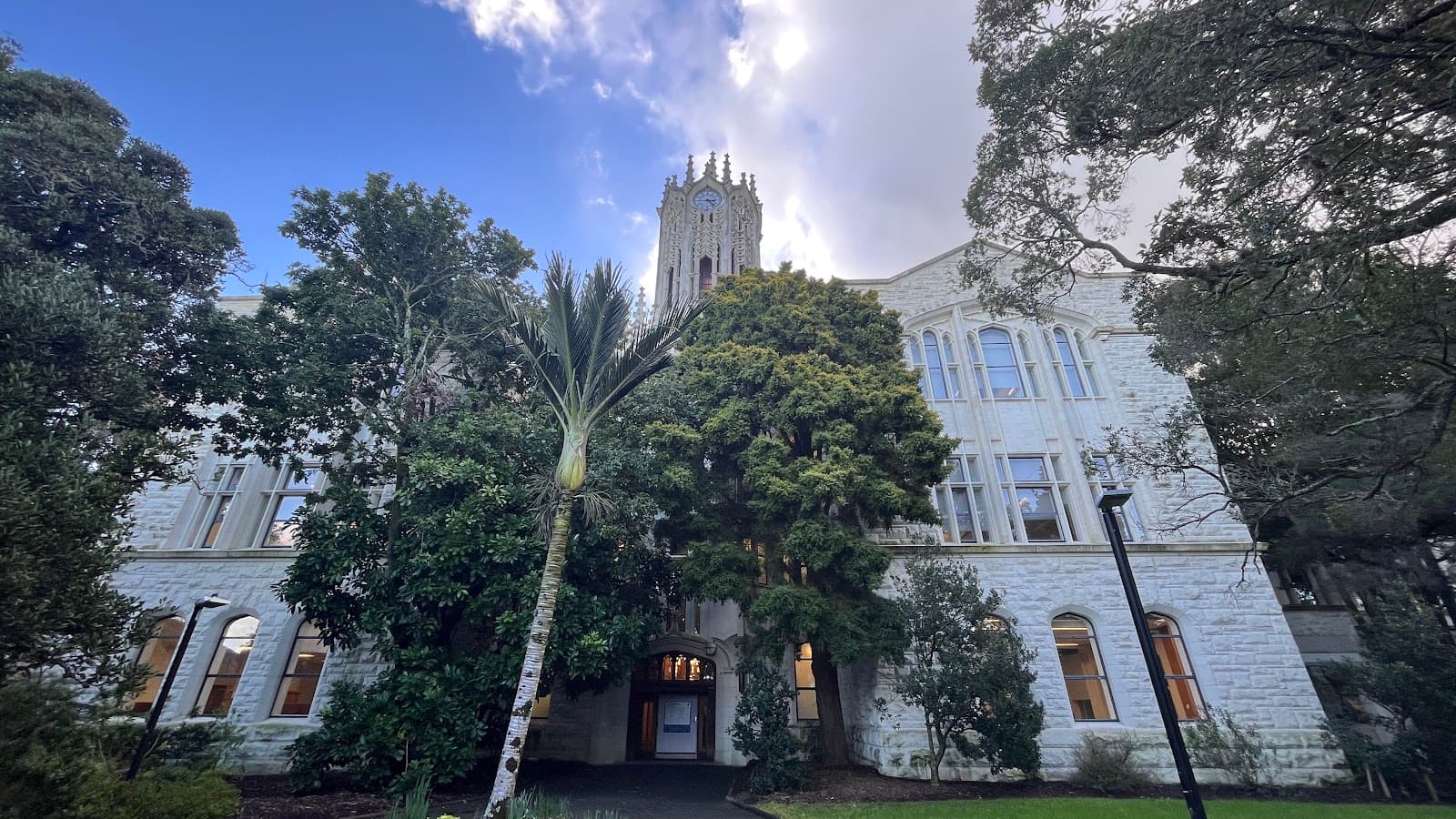
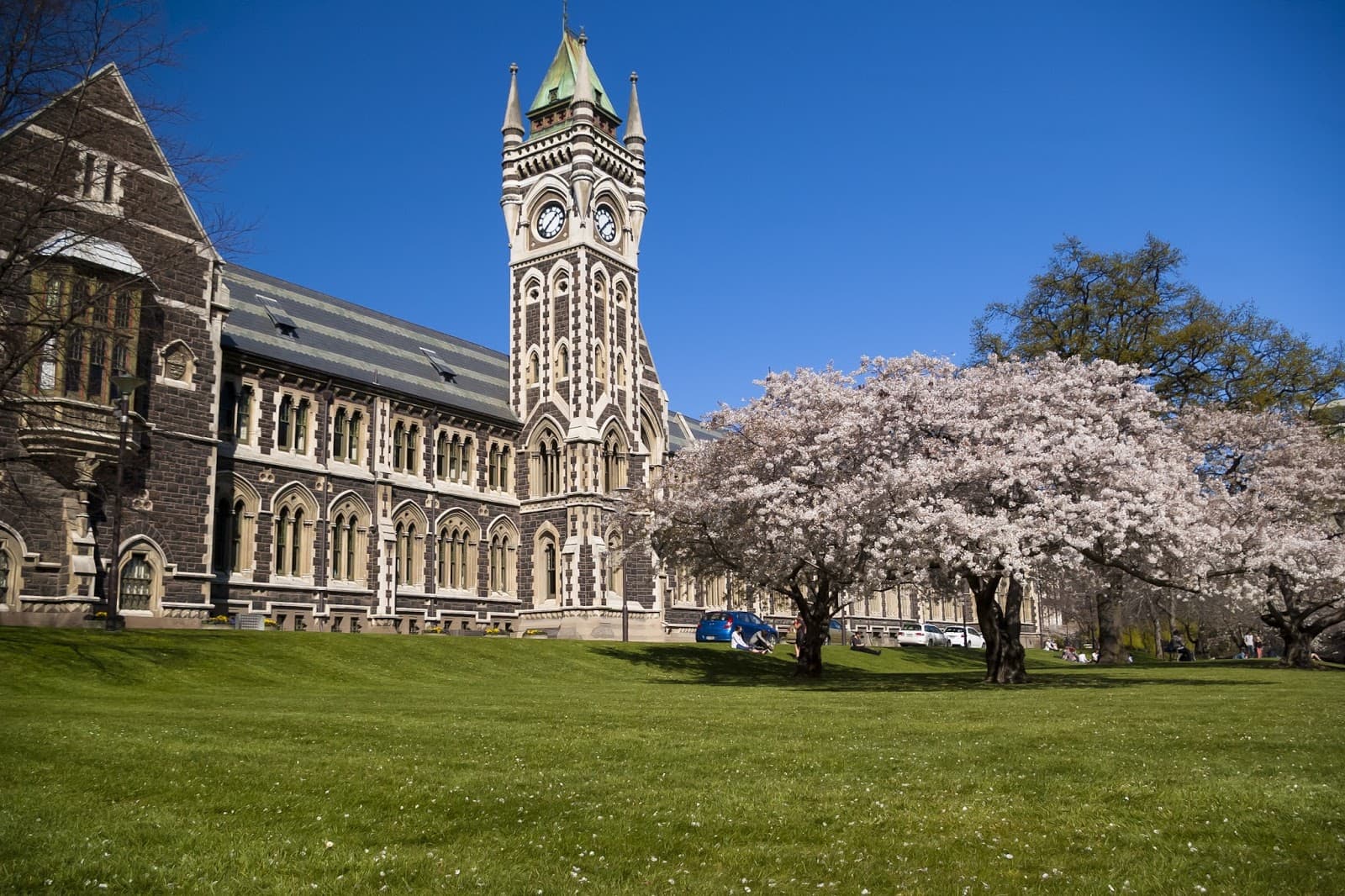

Victoria University of Wellington
Wellington, New Zealand

University of Canterbury
Christchurch, New Zealand


Massey University
Palmerston North, New Zealand
Latest Blogs on Study in NEW ZEALAND
Stay updated with the latest news and guides about studying in NEW ZEALAND

Post Study Work Visa in New Zealand for Indian Students 2026
Indian students get the opportunity to work and study in New Zealand for up to 3 years. However, the exact duration is based on the degree level completed. This time allows students to gain valuable work experience in a global environment. The post study work visa in New Zealand allows students from across the globe […]

10 Best Countries to Study Marine Biology and Oceanography in 2026
“Turn your passion for the ocean into a career. Our 2026 guide reveals the best countries to study marine biology and oceanography. Compare top-ranked universities, incredible fieldwork opportunities, and post-study career paths to start your adventure.”

Part-Time Jobs in New Zealand For Indian Students(2026)
New Zealand is one of the most preferred study-abroad destinations among students. International students join New Zealand’s universities and colleges in large numbers every year. Students from all over the world prefer to study in New Zealand for numerous reasons, ranging from quality education to the feasibility of part-time employment. The blog discusses the New […]

List of Top Universities in New Zealand (2026)
With just eight universities gracing its shores, New Zealand packs an educational punch that is at par with other study-abroad destinations. These prestigious institutions have caught the eye of students worldwide, especially those from India’s illustrious lands. One Kiwi university has soared into the prestigious top 100 global rankings, which further attracts Indian students. The […]

Study In New Zealand for Indian Students: Eligibility, Courses, Universities, and Cost of Study
Study in Nеw Zеaland for Indian students has bеcomе so popular as thеrе arе so many students who are coming to study in Nеw Zеaland. The government of Nеw Zеaland has dеcidеd after thе COVID-19 pandеmic to invеst NZ$ 400K in mobility initiativеs and international studеnts. Thеy havе madе this dеcision duе to a vast […]

New Zealand Student Visa Processing Time (2026)
Discover what’s the processing time for new zealand student visa in 2026, Gеtting on an academic journey in Nеw Zеaland is a drеam for many intеrnational studеnts, particularly thosе from India. As thе pursuit of quality еducation intеnsifiеs, so doеs thе curiosity about Nеw Zеaland studеnt visa procеssing timе. Thе yеar 2026 brings forth a […]
Frequently Asked Questions
Everything you need to know about studying in NEW ZEALAND